Buick Enclave: Suspension General Diagnosis
SPECIFICATIONS
TRIM HEIGHT SPECIFICATIONS
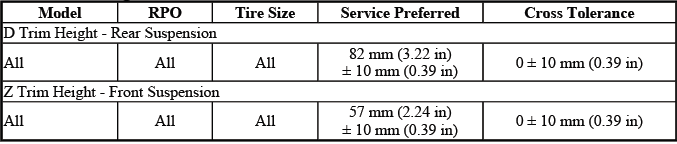
D and Z Trim Height
Trim height specifications are used as a baseline before diagnosing ride quality, steering pull, suspension noise, or alignment-related concerns. If the vehicle sits too high, too low, or unevenly from side to side, the suspension geometry may be affected before any alignment adjustment is made. On the Buick Enclave, checking trim height first helps avoid chasing false alignment problems caused by spring sag, worn bushings, collision damage, tire size changes, or added aftermarket equipment.
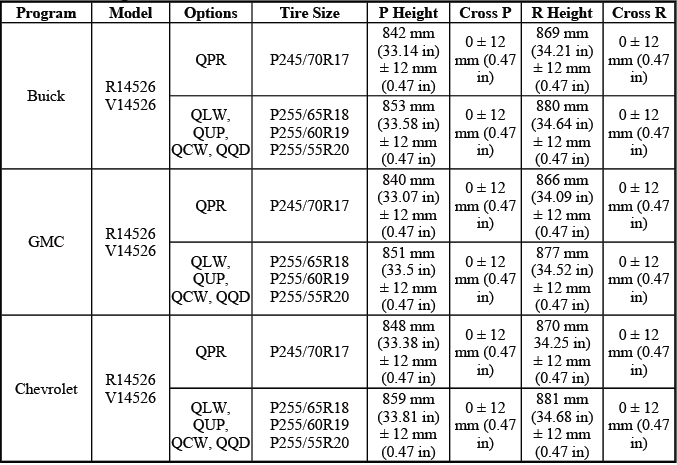
P and R Trim Height
The P and R trim height references provide additional ride-height measurement points used during suspension diagnosis. These values should be compared only after the vehicle is prepared correctly, including correct tire pressure, normal vehicle loading, closed body panels, and a flat measuring surface.
DIAGNOSTIC INFORMATION AND PROCEDURES
SYMPTOMS - SUSPENSION GENERAL DIAGNOSIS
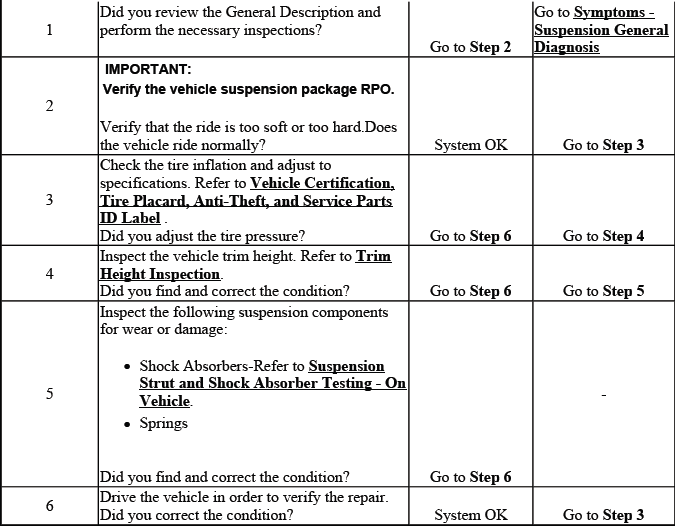
IMPORTANT: The following steps must be completed before using the symptom tables.
Review the system description and operation in order to familiarize yourself with the system functions. Refer to the appropriate description and operation:
- Front Suspension Description and Operation
- Rear Suspension Description and Operation
- General Description
Before choosing a symptom table, confirm how the suspension is designed to operate and how the front and rear systems interact. A noise, pull, lean, harsh ride, or bottoming complaint can be caused by tires, alignment, damaged suspension parts, body structure, steering components, or previous repairs. Reading the system description first helps narrow the diagnosis instead of replacing parts based only on the customer’s first description.
Visual/Physical Inspection
- Inspect for aftermarket devices which could affect the operation of any of the suspension subsystems.
- Inspect the easily accessible or visible system components for obvious damage or conditions which could cause the symptom.
- Inspect for proper tire size and inflation pressure. Refer to Vehicle Certification, Tire Placard, Anti-Theft, and Service Parts ID Label.
A visual and physical inspection should include the tires, wheels, struts, shocks, control arms, stabilizer links, bushings, ball joints, wheel bearings, springs, ride-height sensors when equipped, and any obvious frame or body mounting damage. Larger wheels, lowering parts, lift kits, worn tires, uneven tire pressure, or added accessories can change how the Buick Enclave rides and handles, so these details should be documented before deeper diagnosis begins.
Symptom List
Refer to a symptom diagnostic procedure from the following list in order to diagnose the symptom:
- Ride Diagnosis
- Vehicle Leads/Pulls
- Body Leans or Sways in Corners
- Radial Tire Lead/Pull Correction
- Suspension Bottoms
- Torque Steer
- Memory Steer
- Noise Diagnosis - Front Suspension
- Noise Diagnosis - Rear Suspension
- Suspension Strut and Shock Absorber Testing - On Vehicle
- Wheel Bearings Diagnosis
- Trim Height Inspection
Select the symptom path that most closely matches the verified concern. If more than one symptom is present, begin with the condition that can influence the others, such as incorrect tire pressure, uneven trim height, damaged suspension components, or obvious tire defects.
RIDE DIAGNOSIS
Ride Diagnosis
Ride diagnosis focuses on how the vehicle responds to bumps, dips, rough pavement, body movement, and normal road vibration. A harsh ride may come from tire pressure, tire construction, seized suspension joints, damaged struts or shocks, incorrect trim height, or non-original suspension parts. A loose or floating ride can point toward weak damping, worn bushings, broken springs, or unstable wheel control.

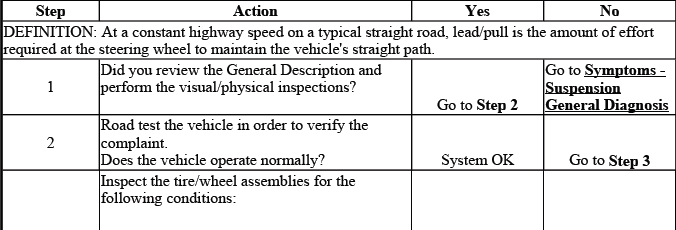
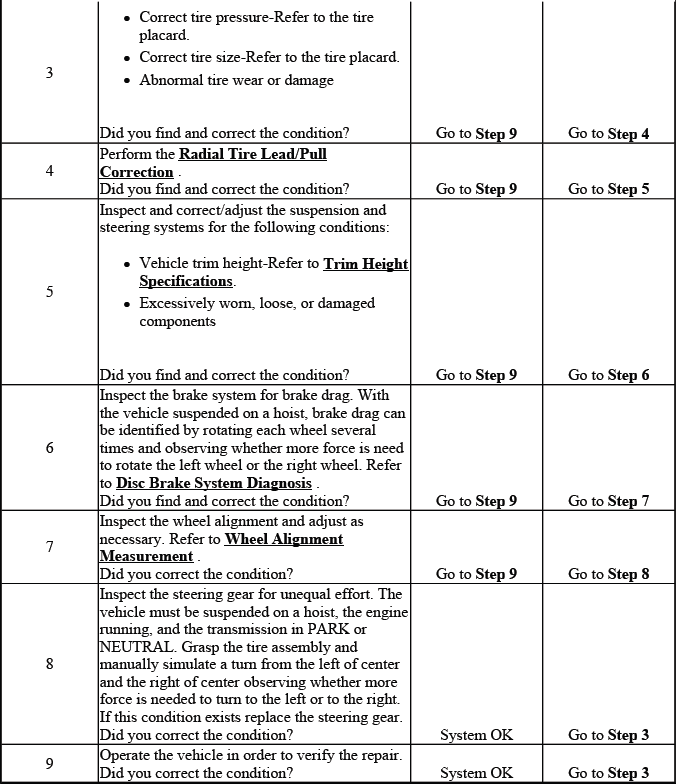
VEHICLE LEADS/PULLS
Vehicle Leads/Pulls
A vehicle lead or pull should be verified on a level road with normal tire pressure and no unusual cargo loading. Tire conicity, brake drag, alignment angles, road crown, steering system friction, and suspension damage can all create a pull-like condition. Swapping tires side to side or front to rear may help separate a tire-related lead from a chassis or alignment issue.
BODY LEANS OR SWAYS IN CORNERS
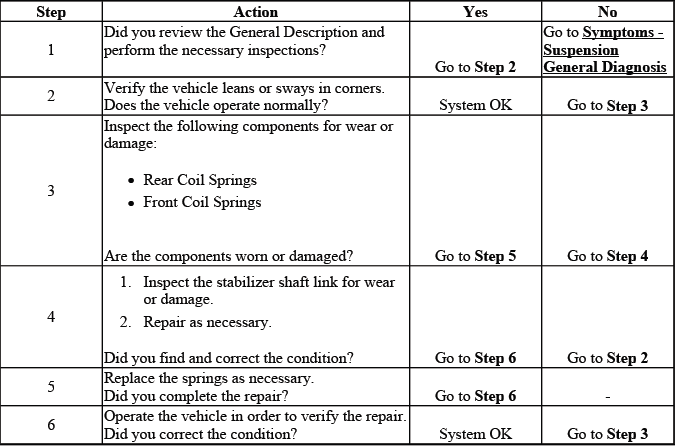
Body Leans or Sways in Corners
Excessive body lean or sway during cornering can be caused by worn stabilizer links, damaged stabilizer shaft bushings, weak shocks or struts, broken springs, incorrect tire pressure, or loose suspension mounting points. Inspect both sides of the suspension because a failed component on one side can affect the entire vehicle’s roll control.
SUSPENSION BOTTOMS
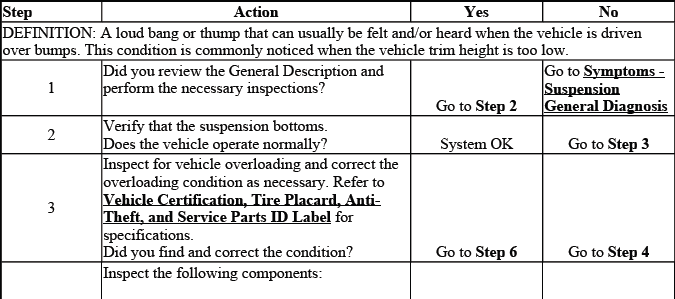
Suspension Bottoms
Suspension bottoming occurs when the suspension reaches the end of its travel too easily. This may happen because of weak springs, overloaded vehicle weight, missing or damaged jounce bumpers, worn shocks, incorrect trim height, or road impacts beyond normal suspension capacity. The inspection should include spring condition, bump stop contact marks, shock absorber performance, and signs of underbody impact.
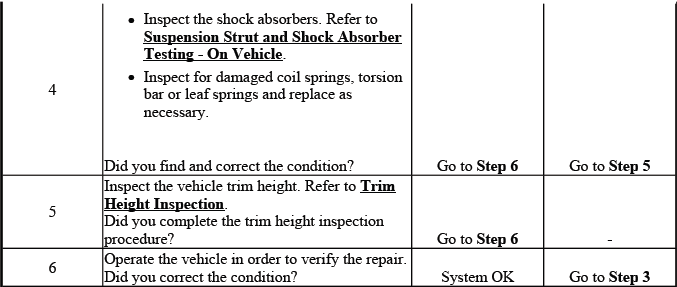
TORQUE STEER
Torque Steer
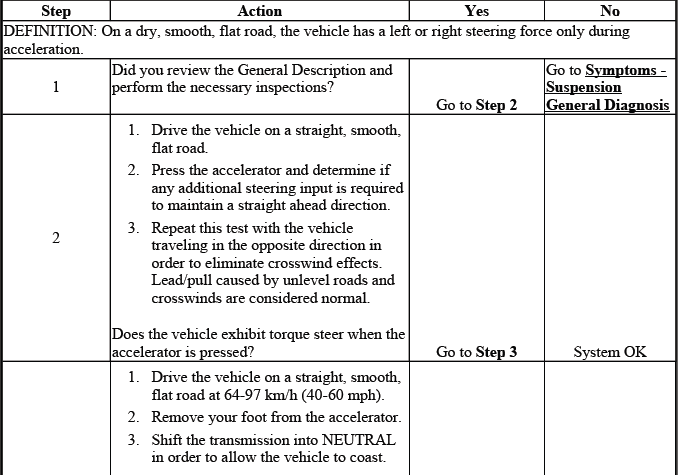
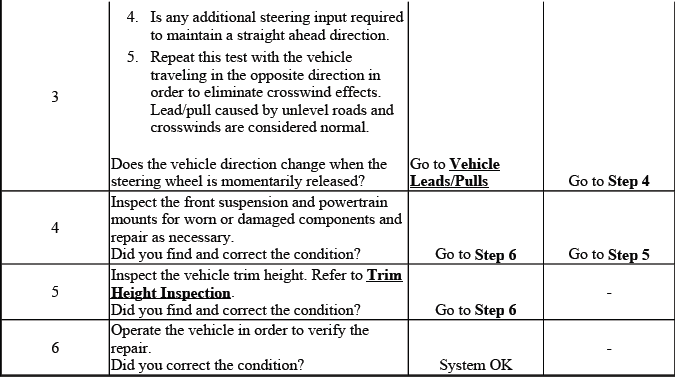
Torque steer is a pulling or steering reaction during acceleration. It can be affected by unequal tire traction, drive axle angle differences, engine or transaxle mount movement, suspension bushing deflection, alignment settings, or road surface grip. The condition should be duplicated under controlled acceleration before any repair decision is made.
MEMORY STEER
Memory Steer
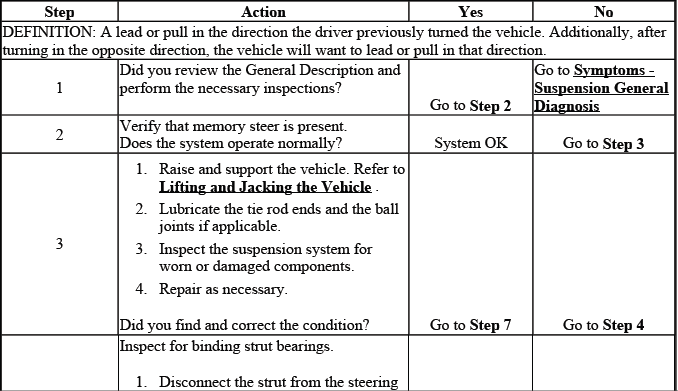
Memory steer describes a condition where the steering does not return naturally or tends to remain biased after a turn. Possible causes include strut mount binding, steering gear friction, ball joint stiffness, tie rod binding, incorrect alignment, or suspension fasteners tightened with the bushings in a loaded or twisted position. For Buick Enclave suspension diagnosis, this symptom should be checked carefully because it can feel similar to a pull but may have a different root cause.
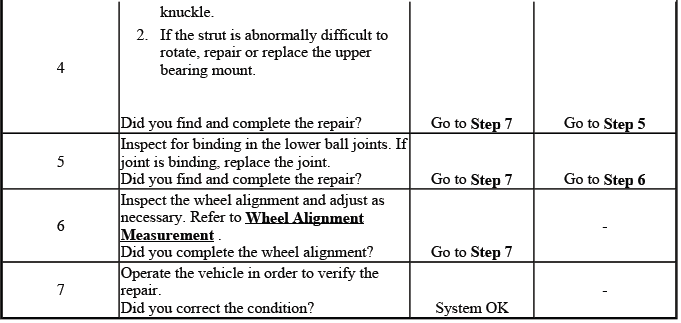
NOISE DIAGNOSIS - FRONT SUSPENSION
Noise Diagnosis - Front Suspension
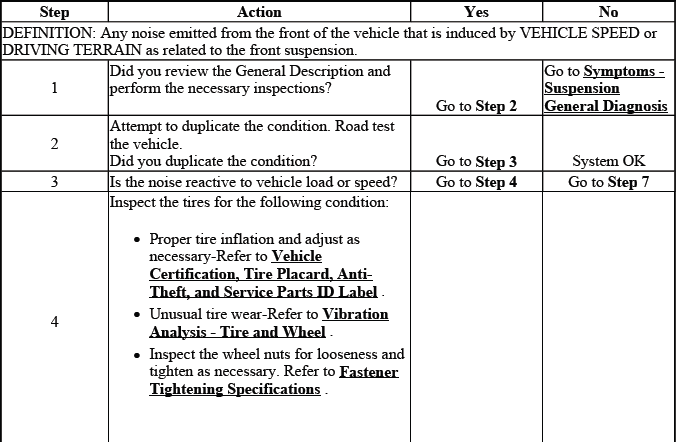
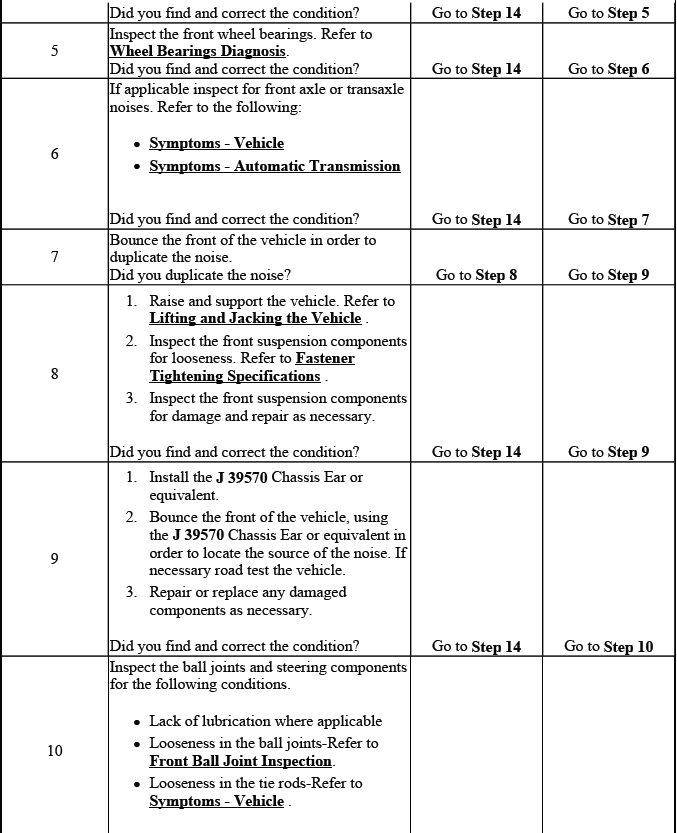
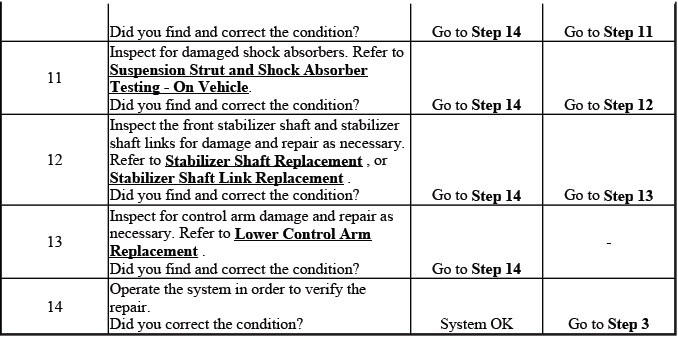
Front suspension noise should be diagnosed by matching the sound to the driving condition that produces it. A clunk over bumps may point toward a loose link, bushing, ball joint, strut mount, or control arm fastener. A grinding or growling sound may indicate a wheel bearing or tire issue, while a squeak may come from rubber bushings, spring seats, or dry contact points.
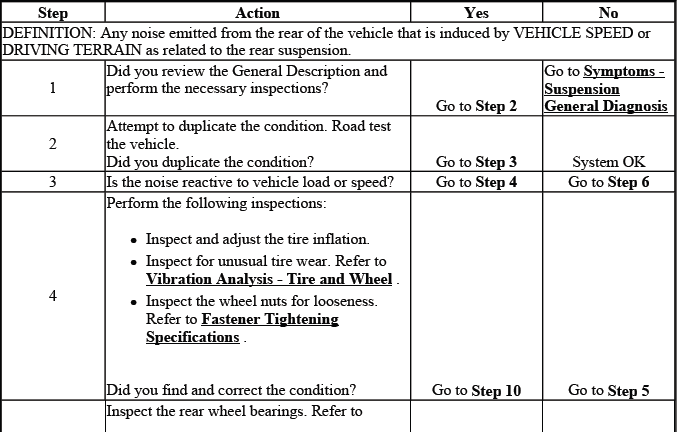
NOISE DIAGNOSIS - REAR SUSPENSION
Noise Diagnosis - Rear Suspension
Rear suspension noise may come from stabilizer links, control arm bushings, rear shocks, springs, spring insulators, wheel bearings, loose trim, or cargo-area components that sound like suspension parts. Always remove unnecessary cargo and verify the noise on a road surface that duplicates the customer complaint before replacing rear suspension components.
FRONT BALL JOINT INSPECTION
Special Tools
- J 8001 Dial Indicator Set
Front ball joint inspection should be performed when looseness, knocking, abnormal tire wear, steering wander, or suspension impact damage is suspected. Measuring movement with a dial indicator gives a more reliable result than judging by feel alone, especially when the joint is lightly worn but not visibly separated.
1. Raise and suitably support the vehicle. Refer to Lifting and Jacking the Vehicle.
IMPORTANT:
- The vehicle must rest on a level surface.
- The vehicle must be stable. Do not rock the vehicle on the floor stands.
2. Clean and inspect the ball joint seal for cuts or tears. If the ball joint seal is damaged, replace the ball joint. Refer to Lower Control Arm Ball Joint Replacement. A torn seal allows water and dirt into the joint, which can lead to accelerated wear even if looseness is not yet obvious.
3. Support the lower control arm with a floor stand as far outboard as possible and raise the suspension to just below ride height. Supporting the arm near its normal working position helps produce a more accurate measurement of ball joint lash.
4. Install J 8001 Dial Indicator Set or a suitable dial indicator in a way to measure vehicle lash in the ball joint. The indicator must be mounted securely so the reading reflects actual joint movement rather than tool movement.
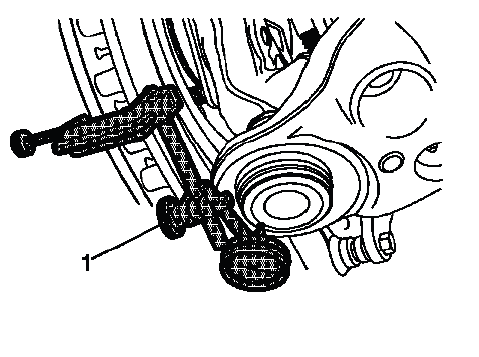
Fig. 1: Measuring Vertical Lash In Ball Joint
5. Gently lift or pry the suspension to induce ball joint movement. Apply force smoothly and only enough to show movement at the joint.
IMPORTANT: Do not pry between the lower control arm and the wheel drive shaft boot.
6. If the dial indicator reading is more than 0.5 mm (0.020 in), replace the ball joint. Refer to Lower Control Arm Ball Joint Replacement. Readings above the limit indicate excessive movement and should not be ignored, because ball joint wear can affect steering control, alignment stability, and tire wear.
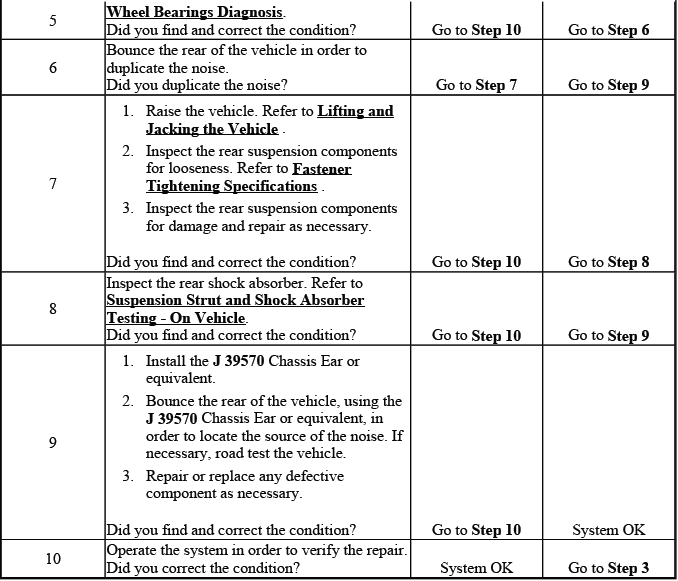
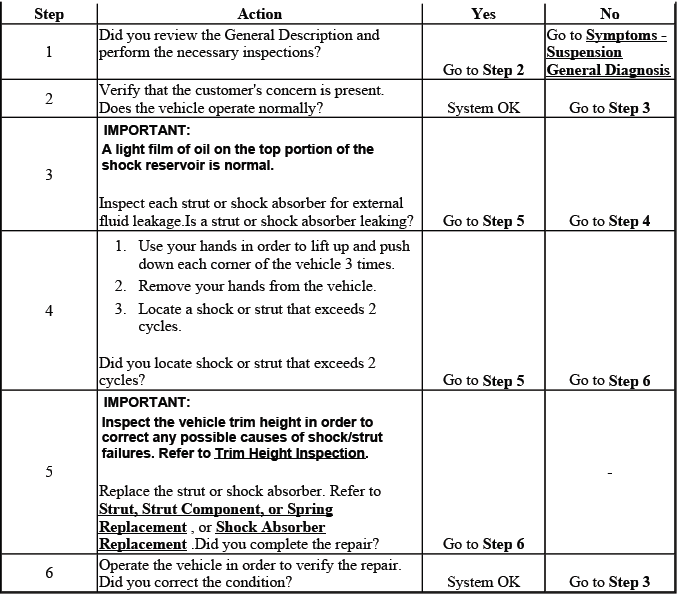
SUSPENSION STRUT AND SHOCK ABSORBER TESTING - ON VEHICLE
Suspension Strut and Shock Absorber Testing - On Vehicle
Strut and shock absorber testing should include visual inspection, road feel, leak evaluation, and body motion control. A light oil film may be normal in some cases, but a wet trail, dripping fluid, damaged rod, dented body, broken mount, or uncontrolled bouncing indicates a component that may no longer damp suspension movement correctly.
WHEEL BEARINGS DIAGNOSIS
Wheel Bearings Diagnosis
Wheel bearing diagnosis should be based on noise, looseness, road speed changes, turning load changes, and physical inspection. A damaged bearing may growl, hum, vibrate, or change sound when vehicle weight shifts from one side to the other. Do not overlook tire tread noise, brake drag, or axle-related noise, because these can imitate a failing wheel bearing.
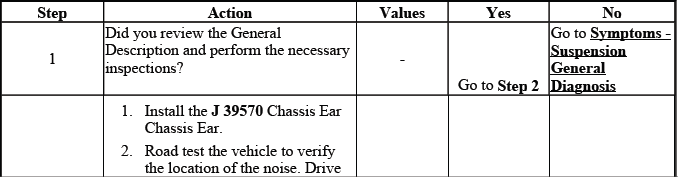
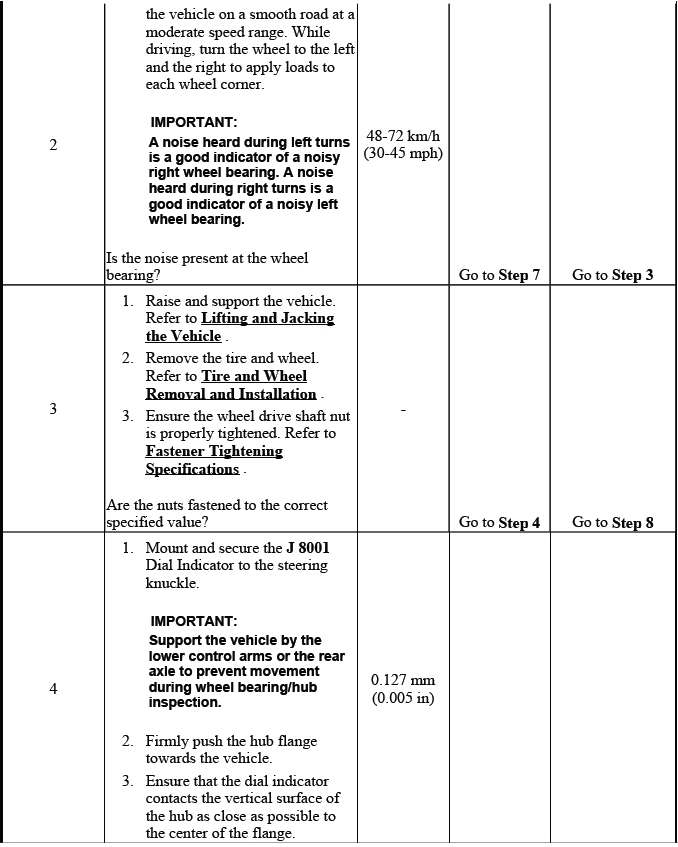
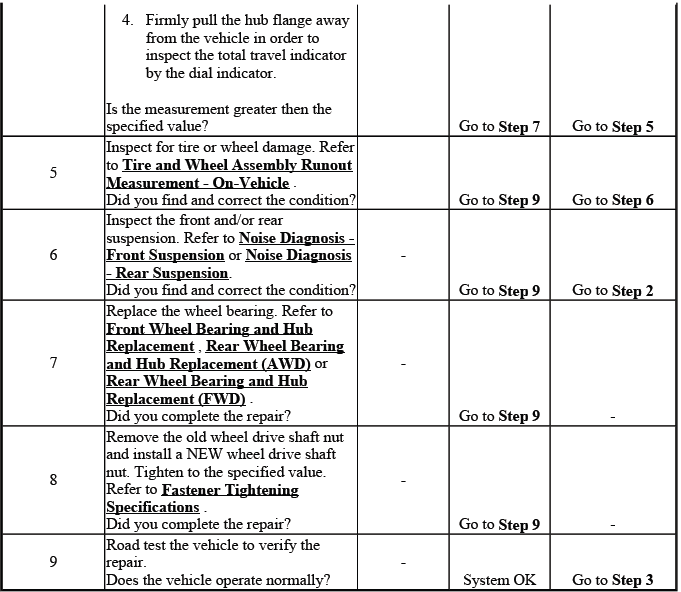
TRIM HEIGHT INSPECTION
Trim Height Measurement
Trim height is a predetermined measurement relating to vehicle ride height. Incorrect trim heights can cause the vehicle to bottom out over bumps, damage to the suspension components and symptoms similar to wheel alignment problems. Check the trim heights when diagnosing suspension concerns and before checking the wheel alignment.
Accurate trim height measurement helps separate a true alignment issue from a ride-height issue. If the vehicle is measured while loaded unevenly, parked on an uneven floor, or fitted with incorrect tires, the results can lead the technician in the wrong direction. For this reason, the Buick Enclave should be prepared carefully before any D, Z, P, or R height reading is compared to specification.
Perform the following before measuring the trim heights:
- Set the tire pressure to the specifications shown on the certification label. Refer to Vehicle Certification, Tire Placard, Anti-Theft, and Service Parts ID Label.
- Check the fuel level. Add additional weight if necessary to simulate a full tank.
One U.S. gallon of gasoline weighs approximately 6.5 lbs. One liter of gasoline weights approximately 0.70 kg.
- Make sure the passenger and rear compartments are empty, except for the spare tire.
- Make sure the vehicle is on a flat and level surface, such as an alignment rack.
- For vehicles equipped with automatic level control, ensure the system is functioning properly.
- Check that all the vehicle doors are securely closed.
- Check that the vehicle hood and rear deck lids are securely closed.
- Check for installed after market accessories or modifications that could affect trim height measurement:
- Larger of smaller than production wheels and tires
- Lifting or lowering kits
- Wheel opening flares or ground affects
After these conditions are verified, jounce the vehicle as instructed and allow the suspension to settle naturally. Do not push on one side only or hold the body down while measuring, because that can preload the suspension and create an inaccurate reading.
Measuring the Z Height
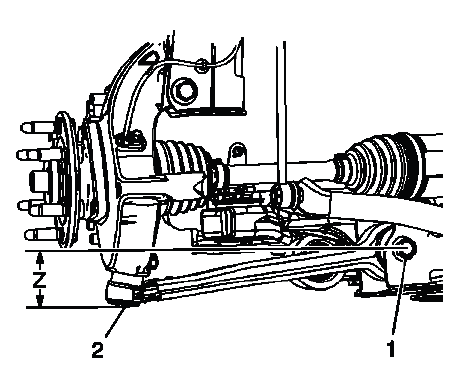
Fig. 2: Measuring Z Height Dimension
IMPORTANT:
- In order to obtain the proper measurement, Z will equal inner minus the outer.
- The left and right Z height difference should be no more than 12 mm (0.47 in).
Use the following procedure to measure the Z height:
1. Lift the front bumper of the vehicle up about 38 mm (1.5 in). This helps free the suspension from friction and allows it to settle from an upward movement.
2. Gently remove your hands and let the vehicle settle. Do not push down after releasing the vehicle.
3. Repeat this operation 2 more times for a total of 3 times. Repeating the movement improves consistency before the first measurement is taken.
4. Repeat this jouncing operation 2 more times for a total of 3 times. The goal is to settle the front suspension in a repeatable position before measuring.
5. Measure from the center of the lower ball joint (outer) 2 to the center of the lower control arm bolt (inner) 1. Keep the measuring tool straight and use the same reference points on both sides.
6. Push the front bumper of the vehicle down about 38 mm (1.5 in). This settles the suspension from the opposite direction.
7. Gently remove your hands and let the vehicle settle. Allow the suspension to stop moving before taking another reading.
8. Repeat this operation 2 more times for a total of 3 times. Consistent jouncing reduces variation caused by bushing friction.
9. Re-measure the Z height as in step 5. Record the reading clearly for comparison.
10. The true Z height is the average of the measurements taken in steps 5 and 8. Refer to Trim Height Specifications. Averaging both readings gives a more realistic ride-height value than relying on a single measurement.
If any of these measurements are out of specifications, inspect for the following conditions:
- Worn or damage suspension components
- Collision damage
Also check for incorrect springs, shifted control arm bushings, bent suspension brackets, damaged subframe mounting points, and non-original wheel or tire packages that may change the measured height.
Measuring the D Height
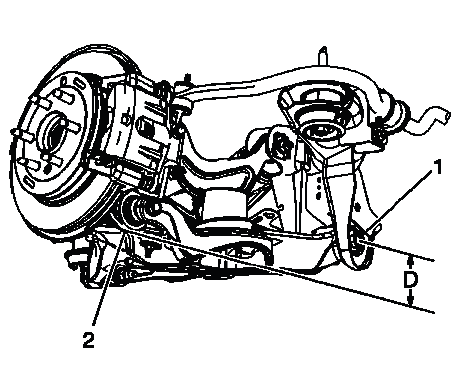
Fig. 3: Measuring D Height Dimension
IMPORTANT:
- In order to obtain the proper measurement, D will equal inner minus the outer.
- The left and right D height difference should be no more than 12 mm (0.47 in).
Use the following procedure to measure the D height:
1. Lift the rear bumper of the vehicle up about 38 mm (1.5 in). Raise the body evenly so the rear suspension settles without side loading.
2. Gently remove your hands and let the vehicle settle. Do not bounce the vehicle after releasing it unless instructed by the procedure.
3. Repeat this operation 2 more times for a total of 3 times. This allows the suspension bushings and springs to settle in a consistent position.
4. Use the outer flat spot 2 on the knuckle as the reference point for the D height measurement. Make sure the same flat spot is used on both the left and right sides.
5. Measure from the outer on the knuckle to the center of the lower control arm bolt (1). Keep the measuring tool vertical and avoid guessing from an angled viewpoint.
6. The difference between these 2 measurements is the D height. Record the value before repeating the settling procedure.
7. Lift the rear bumper of the vehicle up about 38 mm (1.5 in). This second settling cycle helps confirm the reading.
8. Gently remove your hands and let the vehicle settle.
9. Repeat this operation 2 more times for a total of 3 times.
10. Re-measure the D height as in step 4. Use the same reference points and measuring method used for the first reading.
11. The true D height is the average of the measurements taken in steps 4 and 8. Refer to Trim Height Specifications. If the average is outside specification, correct the ride-height concern before performing final wheel alignment.
If any of these measurements are out of specifications, inspect for the following conditions:
- Worn or damage suspension components
- Collision damage
Rear trim height concerns may also be related to weak springs, incorrect replacement parts, damaged spring seats, worn control arm bushings, overloaded cargo areas, or automatic level control faults when equipped. A trim height problem should be corrected before rear camber or toe is adjusted.
SPECIAL TOOLS AND EQUIPMENT
SPECIAL TOOLS
Use the specified tools to improve measurement accuracy and reduce guesswork during suspension diagnosis. A dial indicator is especially useful when checking small amounts of joint or bearing movement, while a chassis ear can help isolate noises that are difficult to locate during a stationary inspection.
J 8001
Dial Indicator
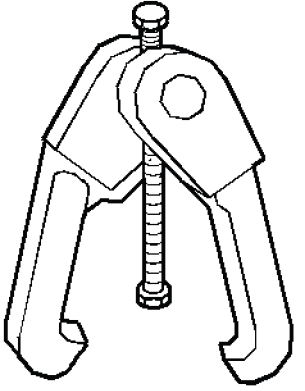
J 39570
Chassis Ear