
Buick Enclave: Engine Compartment Fuse Block. Instrument Panel Fuse Block. Wheels and Tires
Engine Compartment Fuse Block
The underhood fuse block is located in the engine compartment on the passenger side of the vehicle. This fuse and relay center protects important electrical circuits and allows specific vehicle systems to be serviced or diagnosed when an electrical concern occurs.
Before opening the fuse block, make sure the vehicle is safely parked, the ignition is off, and the area around the fuse block is clean and dry. Electrical components can be damaged by moisture, dirt, incorrect handling, or the wrong replacement fuse.
Lift the cover for access to the fuse/relay block.
The cover helps protect the fuse block from water, dust, and accidental contact. After checking or replacing a fuse, reinstall the cover securely so the electrical center remains protected during normal driving.
Notice: Spilling liquid on any electrical component on the vehicle may damage it. Always keep the covers on any electrical component.
Liquid damage can cause corrosion, short circuits, intermittent electrical faults, or complete failure of a protected circuit. Avoid washing or spraying directly near the fuse block, and never place open containers of fluid near electrical components while the cover is removed.
To remove fuses, hold the end of the fuse between your thumb and index finger and pull straight out. Do not twist the fuse or force it sideways, because this can damage the fuse terminals or the fuse block cavity.
If a fuse is difficult to remove, use proper fuse removal tools rather than metal objects that could short electrical contacts. Always replace a fuse with another fuse of the same amperage rating.
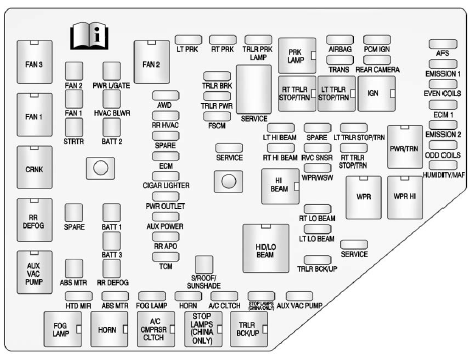
The vehicle may not be equipped with all of the fuses, relays, and features shown.
Some fuse positions may be unused depending on the trim level, equipment package, market, or factory-installed options. A blank location does not automatically mean that a part is missing.
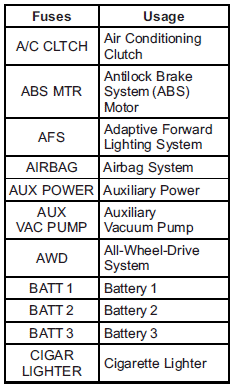
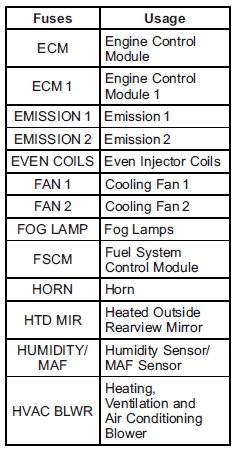
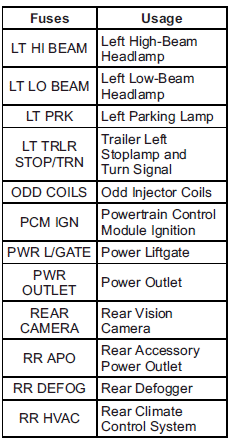
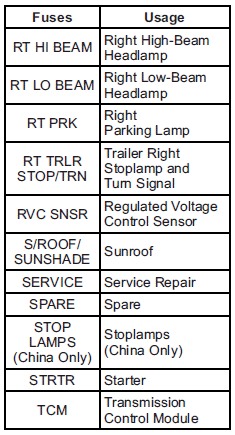
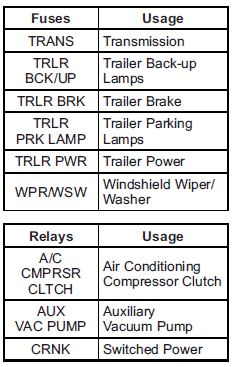
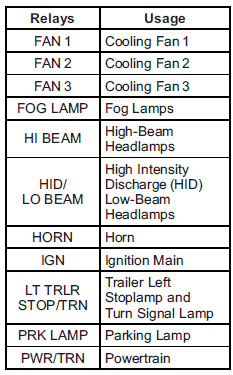
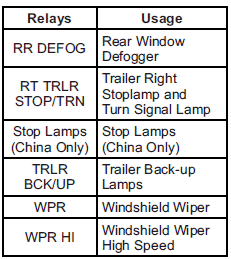
When diagnosing an electrical concern, first identify the affected system and then check the appropriate fuse location. If the replacement fuse opens again, there may be a wiring fault, overloaded circuit, failed component, or other electrical issue that requires professional inspection.
Instrument Panel Fuse Block
The instrument panel fuse block is located under the instrument panel on the passenger side of the vehicle. Pull down on the cover to access the fuse block.
This fuse block protects many interior and body-related electrical circuits. Depending on vehicle equipment, it may include circuits for lighting, accessories, modules, relays, and comfort or convenience features.
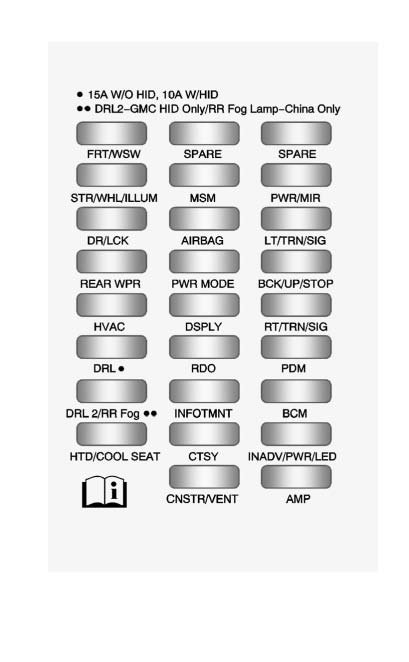
Fuse Side
The vehicle may not be equipped with all of the fuses, relays, and features shown.
Before replacing any fuse, compare the fuse location and amperage rating carefully. Installing a fuse with the wrong rating can allow too much current through the circuit or cause the circuit to fail again immediately.
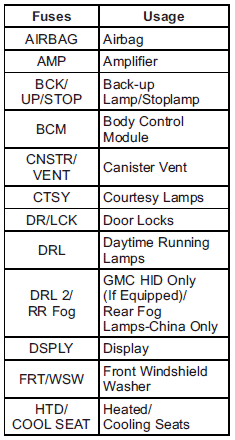
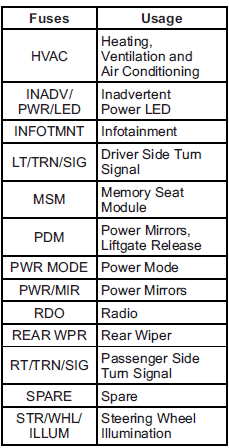
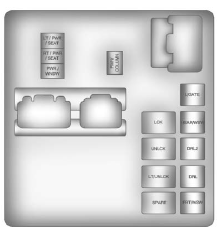
Relay Side
The relay side contains relay positions used by selected electrical systems. Relays allow low-current control circuits to operate higher-current devices safely and efficiently.
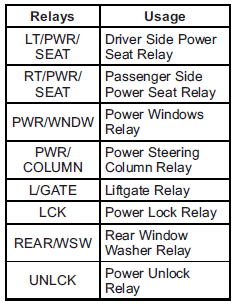
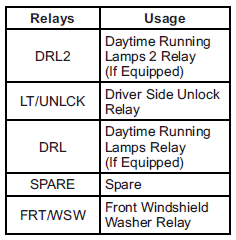
After completing a fuse or relay inspection, reinstall the access cover properly. Leaving the cover loose can allow dust, moisture, or accidental contact with the fuse block.
Wheels and Tires
Tires
Every new GM vehicle has high-quality tires made by a leading tire manufacturer. These tires are selected to match the vehicle’s load capacity, ride comfort, handling, braking performance, traction, and durability requirements.
See the warranty manual for information regarding the tire warranty and where to get service. For additional information, refer to the tire manufacturer.
Tires are one of the most important contact points between the vehicle and the road. On the Buick Enclave, proper tire condition affects steering response, braking distance, fuel economy, ride comfort, all-weather traction, and overall safety.
 WARNING
► Poorly maintained and improperly used tires are dangerous.
► Overloading the tires can cause overheating as a result of too much flexing.
There could be a blowout and a serious crash. See Vehicle Load Limits.
Overloading places excess stress on the tire structure. When a tire carries more weight than it is designed to support, it flexes more than normal, builds heat, and may fail suddenly. Always follow the vehicle load limits and do not exceed the recommended cargo and passenger capacity.
► Underinflated tires pose the same danger as overloaded tires. The resulting crash could cause serious injury.
Check all tires frequently to maintain the recommended pressure. Tire pressure should be checked when the tires are cold.
Cold tire pressure means the vehicle has been parked long enough for the tires to cool or has been driven only a short distance. Checking pressure when the tires are hot can give a higher reading and may lead to incorrect adjustment.
► Overinflated tires are more likely to be cut, punctured, or broken by a sudden impact — such as when hitting a pothole. Keep tires at the recommended pressure.
Too much air pressure can reduce the tire’s ability to absorb road impacts. This can increase the risk of damage from potholes, sharp edges, debris, or curb strikes.
► Worn or old tires can cause a crash. If the tread is badly worn, replace them.
Tread depth is essential for wet traction, snow performance, and braking. As tread wears down, the tire becomes less effective at channeling water away from the contact patch, which can increase the risk of hydroplaning.
► Replace any tires that have been damaged by impacts with potholes, curbs, etc.
Visible sidewall bulges, cuts, exposed cords, cracks, punctures, or vibration after an impact may indicate tire damage. A tire can be unsafe even if it is still holding air.
► Improperly repaired tires can cause a crash. Only the dealer or an authorized tire service center should repair, replace, dismount, and mount the tires.
Tire repair must be done correctly from the inside of the tire when appropriate. Temporary sealants or external plugs may not provide a safe long-term repair, especially for sidewall damage or large punctures.
► Do not spin the tires in excess of 55 km/h (35 mph) on slippery surfaces such as snow, mud, ice, etc.
Excessive spinning may cause the tires to explode.
If the vehicle is stuck, avoid aggressive wheel spin. Rapid spinning can overheat the tire and drivetrain components. Use controlled throttle, traction aids, or recovery assistance instead of forcing the tires to spin at high speed.
