
Buick Enclave: Repair Instructions
HVAC CONTROL MODULE REPLACEMENT
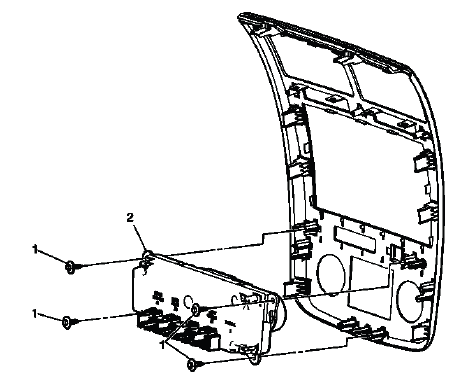
Fig. 6: Identifying HVAC Control Module
HVAC Control Module Replacement
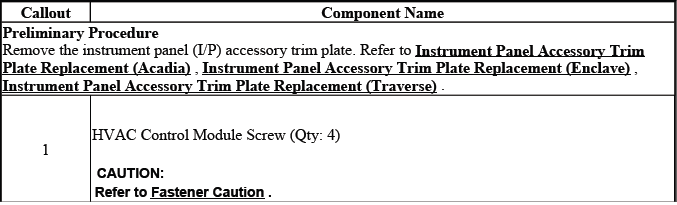

The HVAC control module manages automatic climate control inputs, actuator commands, blower operation requests, temperature calculations, and communication with other vehicle modules. During replacement, disconnect electrical connectors carefully, inspect terminal condition, and avoid pulling on the harness. After installation, the Buick Enclave HVAC system may require setup, programming, or actuator recalibration so the module can correctly learn door positions and communicate with the vehicle network.
AUXILIARY HEATER AND AIR CONDITIONING CONTROL MODULE REPLACEMENT
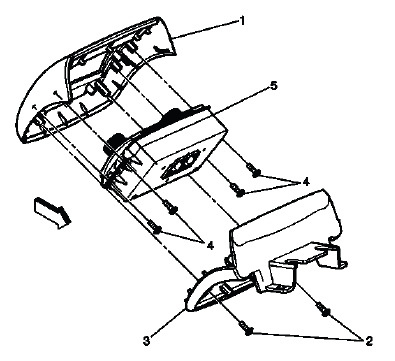
Fig. 7: View Of Auxiliary Heater & Air Conditioning Control Modules
Auxiliary Heater and Air Conditioning Control Module Replacement
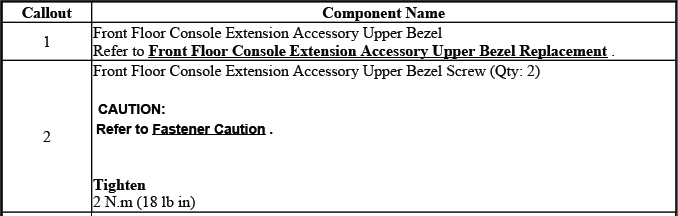
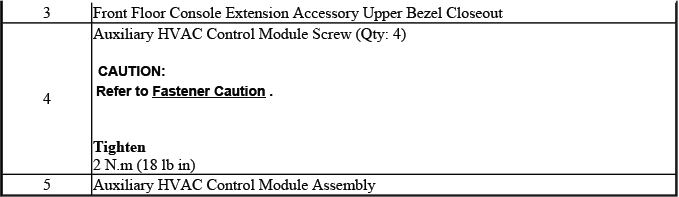
The auxiliary heater and air conditioning control module supports rear climate operation where equipped. It processes rear control inputs and helps manage auxiliary blower, temperature, and mode functions. When replacing this module, confirm that the rear HVAC concern is not caused by a wiring fault, actuator issue, blocked duct, or incorrect control setting. Module setup and programming must be completed as required before final system verification.
AIR INLET VALVE ACTUATOR REPLACEMENT
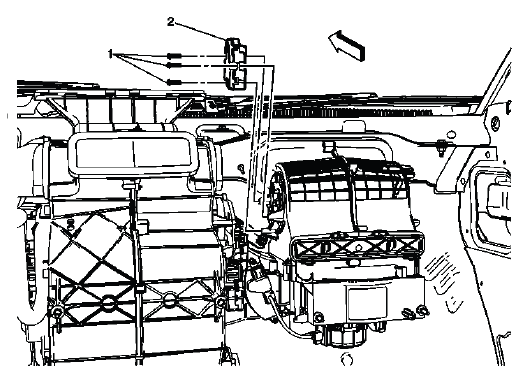
Fig. 8: Air Inlet Valve Actuator
Air Inlet Valve Actuator Replacement

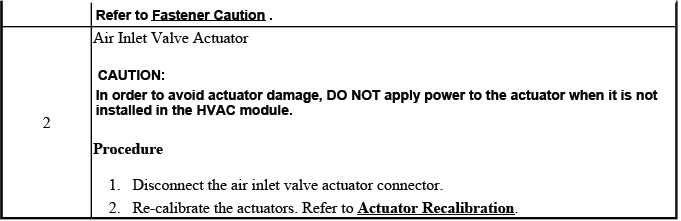
The air inlet valve actuator controls fresh-air and recirculation door movement. A failed or misaligned actuator can cause poor recirculation performance, unwanted outside odors, window fogging, or unusual clicking from the HVAC case. During replacement, avoid forcing the actuator shaft or the inlet door. Install the actuator in the correct position and verify smooth movement with a scan tool or control command after the repair.
MODE VALVE ACTUATOR REPLACEMENT
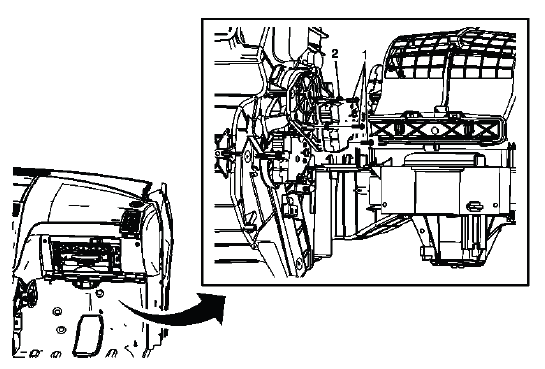
Fig. 9: Identifying Mode Actuator
Mode Valve Actuator Replacement

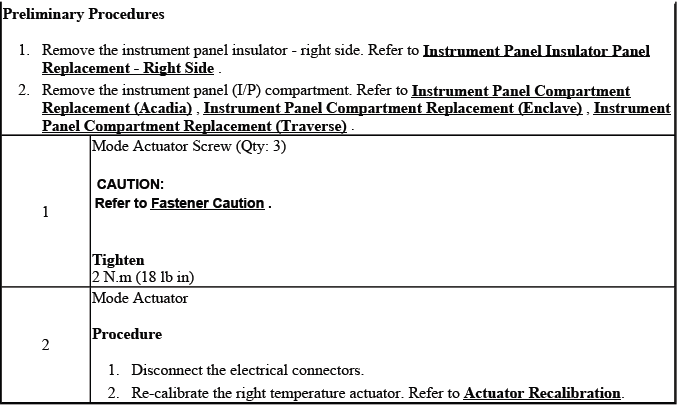
The mode valve actuator directs airflow to the selected outlets, such as panel, floor, defrost, or blended positions. If the actuator fails or the mode door binds, the driver may notice air coming from the wrong vents or reduced windshield clearing. Before replacing the actuator, check for stored DTCs and listen for door movement. After installation, confirm that each outlet mode responds correctly and that the actuator does not over-travel or click at the end of movement.
TEMPERATURE VALVE ACTUATOR REPLACEMENT - RIGHT SIDE
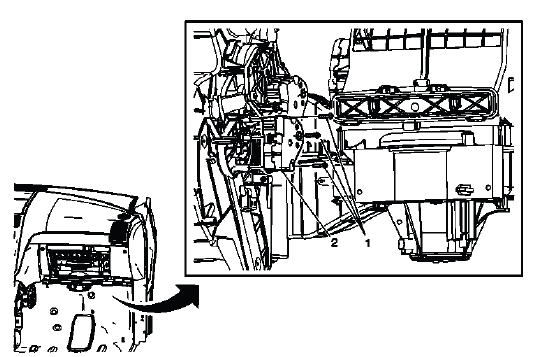
Fig. 10: Identifying Air Temperature Actuator - Right Side
Temperature Valve Actuator Replacement - Right Side
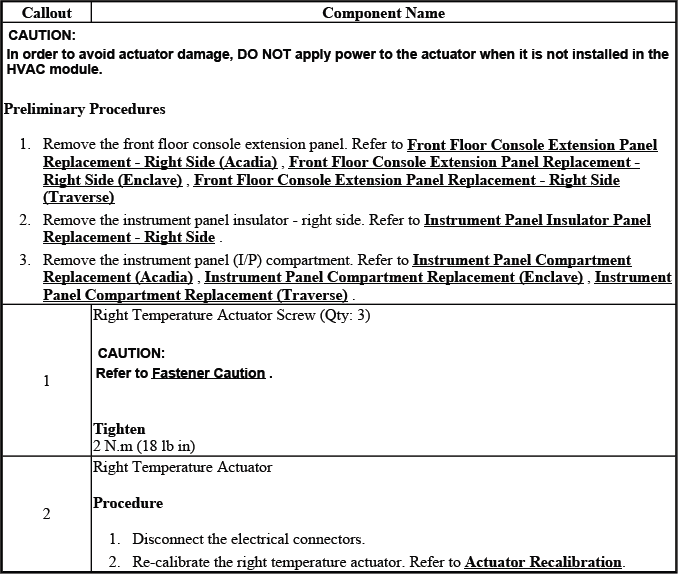
The right side temperature valve actuator adjusts blend door position for the passenger-side air temperature. A concern in this actuator circuit may cause one side of the cabin to stay warmer or cooler than commanded. During replacement, make sure the blend door turns freely and that the actuator is seated squarely on the shaft before tightening the fasteners.
TEMPERATURE VALVE ACTUATOR REPLACEMENT - LEFT SIDE
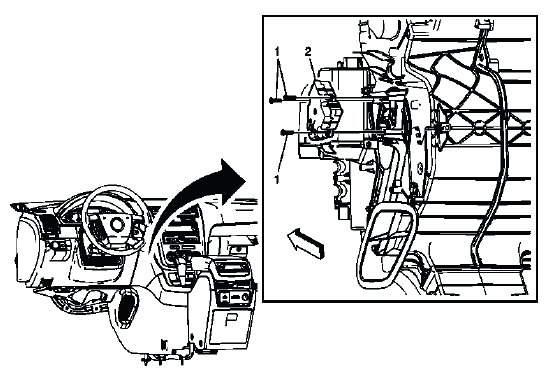
Fig. 11: Locating Air Temperature Actuator - Left Side
Temperature Valve Actuator Replacement - Left Side
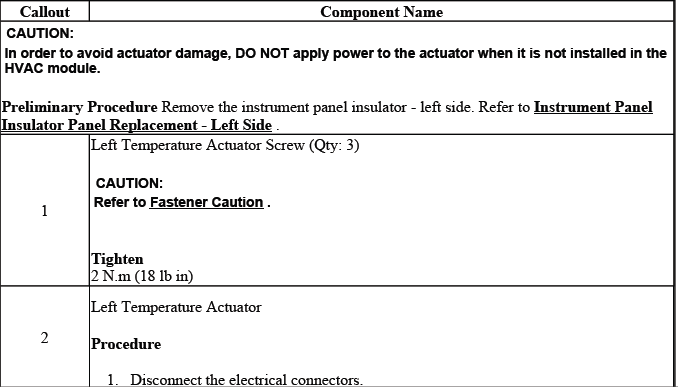

The left side temperature valve actuator controls the driver-side blend door. A faulty actuator or restricted door may result in inaccurate temperature control, uneven cabin comfort, or actuator noise during temperature changes. After replacement, verify that the left temperature output changes smoothly from cold to warm and that no actuator feedback codes return.
AUXILIARY TEMPERATURE VALVE ACTUATOR REPLACEMENT
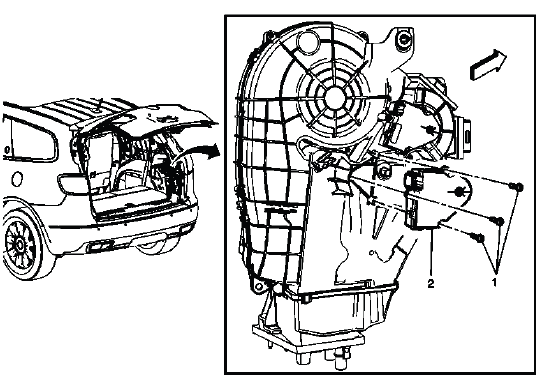
Fig. 12: Identifying Auxiliary Temperature Valve Actuator
Auxiliary Temperature Valve Actuator Replacement
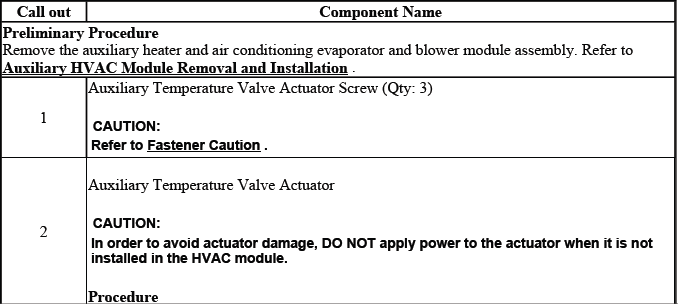

The auxiliary temperature valve actuator manages rear climate temperature output. When diagnosing rear temperature complaints, confirm that the rear control module, actuator command, duct sensors, and airflow path are operating correctly. Replacement should be followed by a functional check of rear heating and cooling response through the available temperature range.
AUXILIARY MODE VALVE ACTUATOR REPLACEMENT
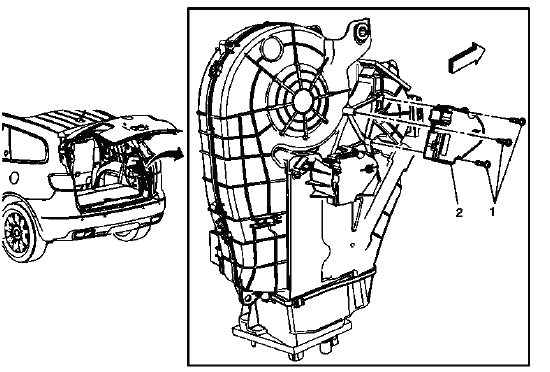
Fig. 13: Auxiliary Temperature Valve Actuator
Auxiliary Mode Valve Actuator Replacement
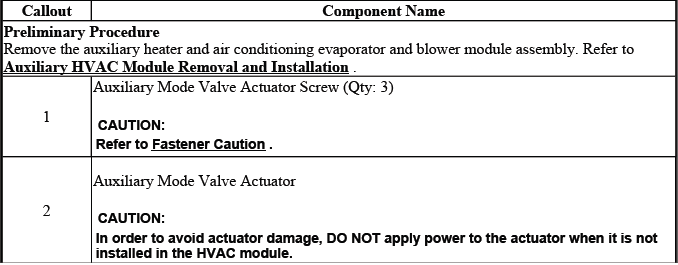

The auxiliary mode valve actuator controls rear airflow distribution. A failure may cause rear air to discharge from the wrong outlet or remain fixed in one mode. During installation, align the actuator carefully with the door shaft and avoid rotating the actuator manually beyond its designed travel. After the repair, verify rear mode changes at the outlets.
INSIDE AIR TEMPERATURE SENSOR ASPIRATOR REPLACEMENT
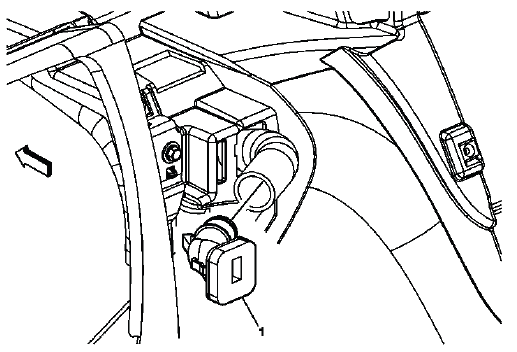
Fig. 14: Identifying Inside Air Temperature Sensor Assembly
Inside Air Temperature Sensor Aspirator Replacement
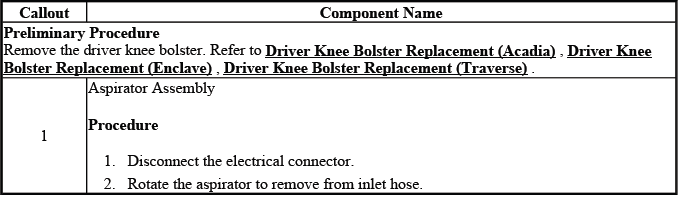
The inside air temperature sensor aspirator helps draw cabin air across the interior temperature sensor. If the aspirator is restricted, noisy, disconnected, or contaminated with dust, the automatic HVAC system may misread cabin temperature and respond too slowly or too aggressively. After replacement, confirm that the sensor opening is clear and that cabin temperature readings change realistically.
DUCT AIR TEMPERATURE SENSOR REPLACEMENT - UPPER RIGHT SIDE
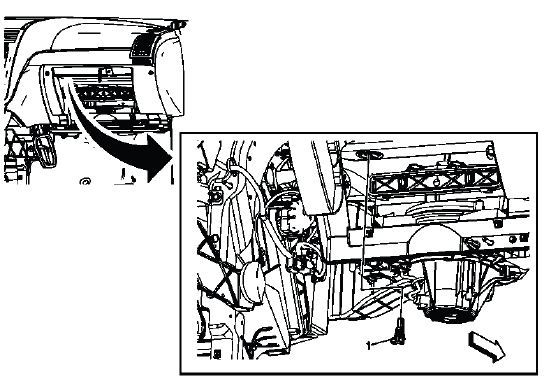
Fig. 15: Identifying Air Temperature Sensor - Upper Right Side
Duct Air Temperature Sensor Replacement - Upper Right Side
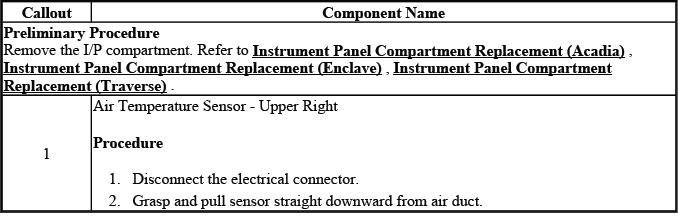
The upper right duct air temperature sensor reports outlet air temperature from the passenger-side upper duct area. This feedback allows the automatic HVAC system to compare commanded temperature with actual delivered air. When replacing the sensor, avoid damaging the duct opening and make sure the sensor seats fully so it reads airflow accurately.
DUCT AIR TEMPERATURE SENSOR REPLACEMENT - UPPER LEFT SIDE
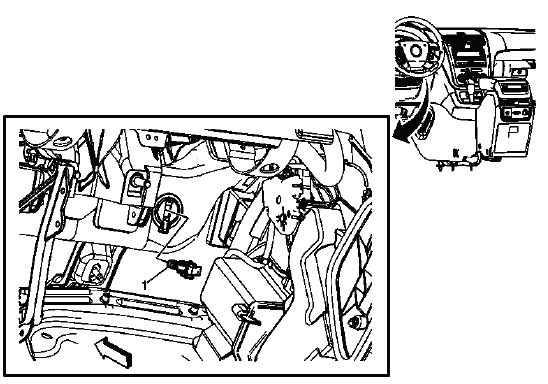
Fig. 16: Locating Air Temperature Sensor - Upper Left Side
Duct Air Temperature Sensor Replacement - Upper Left Side
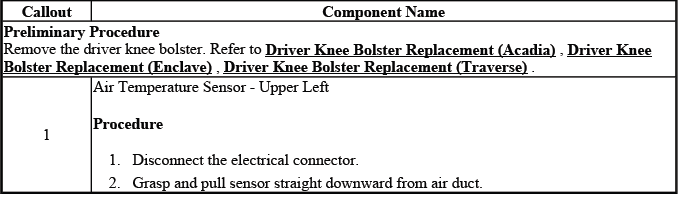
The upper left duct air temperature sensor monitors driver-side upper outlet air temperature. A faulty sensor can affect automatic temperature correction and may contribute to uneven outlet temperature. Before replacement, compare scan tool data with actual duct temperature and inspect the connector for loose or backed-out terminals.
DUCT AIR TEMPERATURE SENSOR REPLACEMENT - LOWER LEFT SIDE
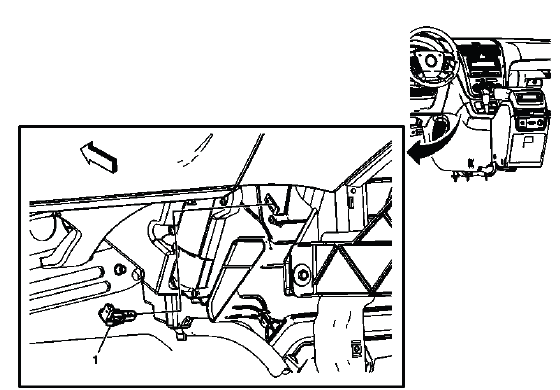
Fig. 17: View Of Air Temperature Sensor - Lower Left Side
Duct Air Temperature Sensor Replacement - Lower Left Side
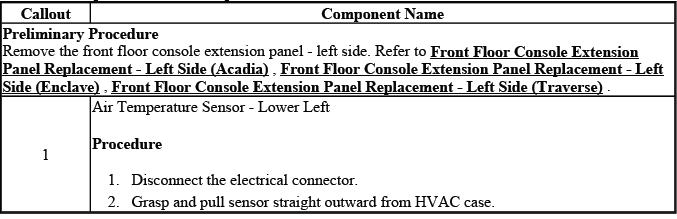
The lower left duct air temperature sensor supports temperature feedback for lower driver-side airflow. Incorrect readings can lead to poor footwell comfort or inaccurate blend door correction. Install the sensor in the original orientation and confirm that nearby ducting is not cracked, loose, or leaking air around the sensor body.
DUCT AIR TEMPERATURE SENSOR REPLACEMENT - LOWER RIGHT SIDE
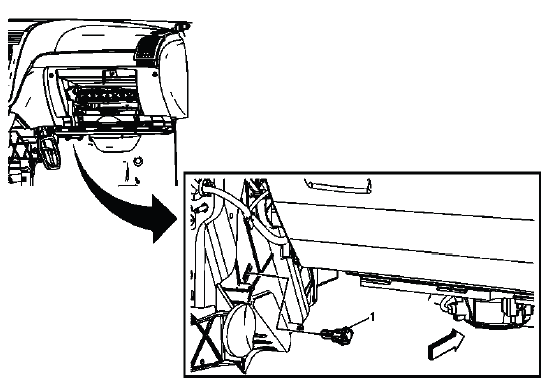
Fig. 18: Locating Air Temperature Sensor - Lower Right Side
Duct Air Temperature Sensor Replacement - Lower Right Side
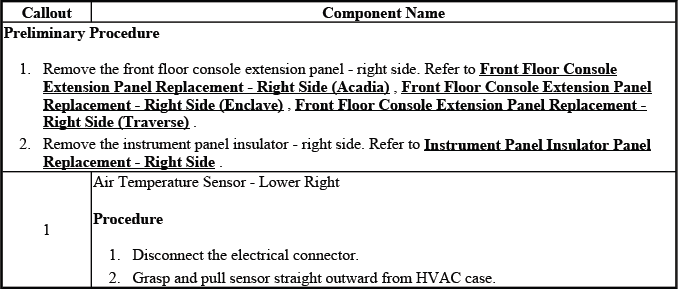
The lower right duct air temperature sensor provides feedback for the passenger-side lower air outlet. After replacement, operate the HVAC system through warm and cold settings and verify that the scan tool value changes with duct temperature. Correct sensor feedback is necessary for stable automatic climate control and balanced comfort throughout the cabin.
